



We all have that familiar cardboard box waiting on the doorstep. It has become a symbol of modern convenience, a reflex action for everything from toothpaste to televisions. Yet, for all its ubiquity, shopping on Amazon can sometimes feel like digging through a chaotic digital flea market. You are bombarded with sponsored listings, brands with unpronounceable names, and fluctuating prices.
The difference between a frustrating experience and a triumphant bargain often comes down to how you navigate the platform. It is not just a store; it is a search engine for commerce.1 To get the most out of it, you need to stop browsing aimlessly and start using the tools that separate the high-quality gems from the cheap imitations.
The Pillars of the Amazon Ecosystem
- Amazon Prime Membership: The backbone of the experience. Beyond two-day shipping, it offers video streaming, music, and unlimited photo storage, making it a comprehensive lifestyle subscription rather than just a delivery service.2
- Amazon Basics Collection: The utilitarian hero. From batteries to HDMI cables, this line offers no-frills, reliable alternatives to big-name brands often manufactured in the same factories.3
- Kindle & Audible: The gold standard for readers. The integration between the Kindle e-reader and the Audible audiobook ecosystem allows for seamless switching between reading and listening.4
- Prime Try Before You Buy: A fashion game-changer. Select up to six items of clothing or shoes, try them on at home for seven days, and only pay for what you keep.
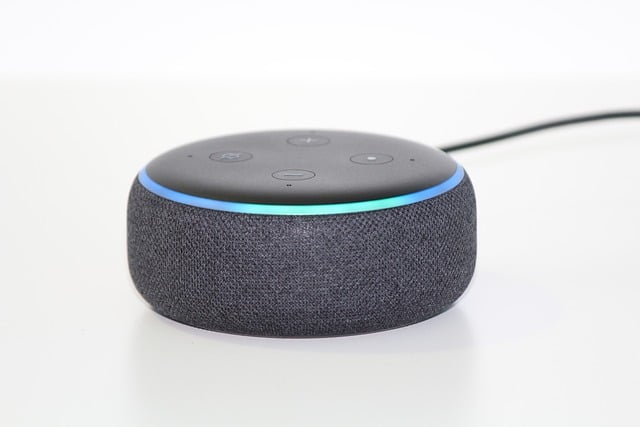
- Echo & Smart Home: The easiest entry into home automation. The devices are often sold at near-cost to get you into the ecosystem, making them incredible value for money.
Is Prime Still the Best Deal in Tech?


Years ago, the math on Prime was simple: did you order enough to cover the shipping costs? Today, the calculus has changed. Amazon has aggressively expanded the benefits to make the membership “sticky.” The real value now lies in the periphery.
If you are paying for Spotify and Netflix, you might be double-dipping. Prime Video has quietly amassed a library of award-winning originals and niche back-catalog movies that often beat competitors.5 Amazon Music, while perhaps less intuitive than Spotify, offers a massive ad-free library.6 Then there is the often-overlooked unlimited photo storage. For cloud storage alone, competitors charge a monthly fee that rivals the entire Prime subscription. If you actually use these “extras,” the shipping becomes effectively free. However, if you strictly use it for the occasional order, the rising yearly cost requires a hard look at your shopping habits.
The “Amazon Basics” Philosophy: When Generic is Better

There is a certain stigma to “store brands,” but Amazon flipped the script with its Basics line. The strategy is ruthless but effective: they look at high-performing products, strip away the marketing budget and fancy packaging, and sell a functional equivalent for 30% less.
For invisible tech infrastructure—charging cables, batteries, monitor stands—Amazon Basics is often the smartest buy. A digital signal is a digital signal; a gold-plated HDMI cable doesn’t improve your picture quality over a standard one.7 However, discernment is key. While I trust them for office supplies and cables, I am more hesitant with complex electronics or items where longevity is paramount, like kitchen appliances. The rule of thumb: if it’s a consumable or a simple mechanical object, go Basic. If it has a motor or a screen, do your research.
Beating the “Analysis Paralysis” of Reviews

The star rating system is broken. We all know it. You see a product with 5,000 five-star reviews, but on closer inspection, they are all generic one-liners. Navigating this requires a skeptical eye. The most valuable tool is the “Verified Purchase” tag. Filter by this to ensure the reviewer actually spent money on the item.
Even better, skip the five-star reviews entirely. Go straight to the three-star reviews. These are usually the most honest. They will tell you, “The product works, BUT the cord is short,” or “It looks good, BUT the material feels thin.” This is where the real product insights live. Also, keep an eye out for the “Vine Voice” badge. These are reviewers invited by Amazon to test products. While they received the item for free, they are generally held to a higher standard of detail and often post photos and videos, giving you a better sense of the product’s scale and finish than the glossy marketing shots.
The Hidden Fashion Mall

For a long time, buying clothes on Amazon felt like a gamble. Sizes were inconsistent, and fabrics were often synthetic nightmares. The introduction of “Prime Try Before You Buy” (formerly Prime Wardrobe) addressed the biggest friction point of online apparel shopping: the fitting room.
This feature effectively turns your living room into a changing room. You can order multiple sizes of a pair of Levi’s or a dress from a brand like The Drop, try them on with your own shoes and accessories, and simply return what doesn’t work in the resealable bag.8 You aren’t charged until you decide what to keep. It encourages experimentation. It allows you to try brands or styles you wouldn’t normally risk money on. It shifts the power dynamic from “hope it fits” to “let’s see if I like it.”
The Return Policy Safety Net


One area where Amazon undeniably leads the market is in dispute resolution and returns. If a third-party seller ghosts you, or a package vanishes into the ether, the “A-to-z Guarantee” is a powerful safety net.
The return process has been streamlined to the point of frictionlessness. You no longer need to print labels or find tape. Bringing a QR code and the loose item to a Whole Foods or a UPS Store is a level of convenience that traditional retailers are still struggling to match. This ease of returns changes the psychology of buying. It lowers the risk threshold for trying new products, knowing that if it doesn’t live up to the hype, you aren’t stuck with it.
A Tool That Needs Sharpening
Amazon is no longer just a bookstore or a tech shop; it is the default utility of modern commerce. It is vast, chaotic, and occasionally overwhelming. But if you learn to filter the noise, leverage the ecosystem, and use the return policy to your advantage, it remains the most efficient way to shop.
The key is to remain an active, not passive, consumer. Don’t just click the first sponsored result. Read the three-star reviews. Compare the generic option. Use the “Try Before You Buy” feature. When you use Amazon as a precision tool rather than a blunt instrument, you unlock a level of convenience and value that is hard to beat.