


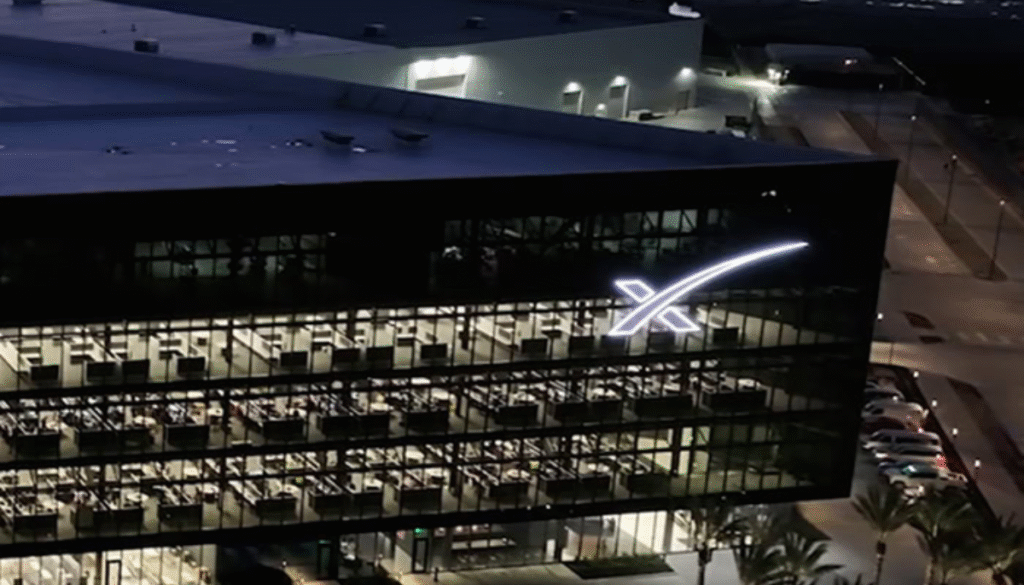
When people think about the future, they often imagine faster travel, better internet and a world that feels more connected. Over the last decade, SpaceX has moved that vision closer to reality. Between satellite networks that bring high speed connections to remote places and rockets that fly, land and fly again, the company has reshaped the way we think about Earth and space.
Before going deeper, here is a quick overview for anyone in a hurry.
TLDR
- Starlink brings satellite internet to areas with limited access
- Reusable rockets make space travel more affordable
- Launch systems support science, communication and global connectivity
- Innovations help close the digital gap around the world
- Growing technology points toward a new era of space exploration
Transforming Internet Access Across the Globe
One of the most impactful projects has been the creation of a large scale global satellite internet system. Many communities still struggle with slow or unreliable connections because traditional cable and fiber cannot reach them. Starlink changes that by delivering strong internet from satellites instead of ground based lines.
The constellation orbits closer to Earth than older satellite systems which reduces lag significantly. This means rural homes, remote businesses, travelers and even boats can access a fast connection that feels similar to traditional broadband.
People use satellite internet for work, streaming, school and everything in between. For many families, it is the first time they have reliable online access which opens the door to new opportunities.

Reusable Rockets and Lower Cost Spaceflight
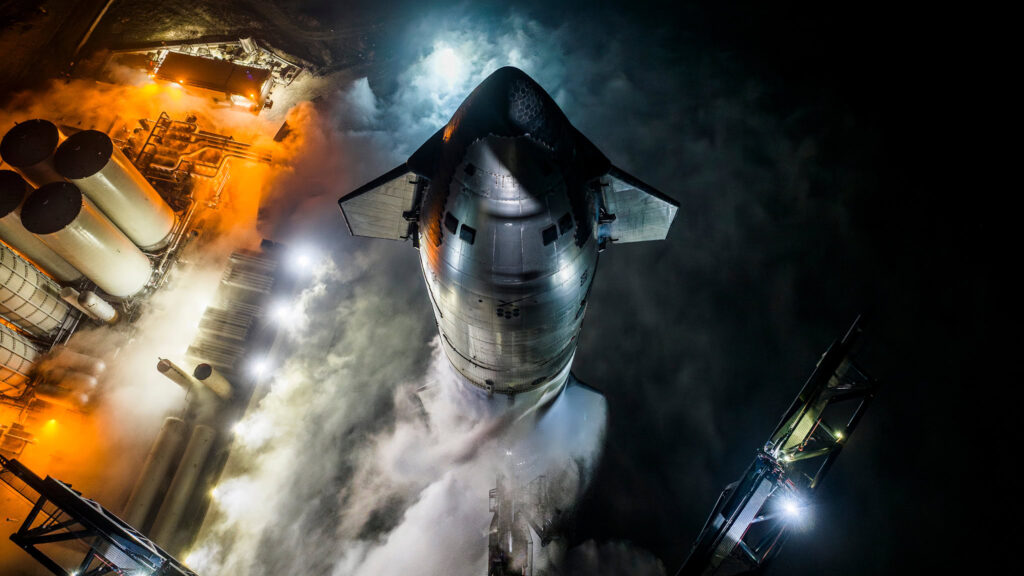
The next major shift comes from reusable launch technology. Before this innovation, rockets were built for a single flight. They burned up, crashed into the ocean or became space debris. Reusability changes everything.
With the ability to land boosters safely and use them again, the cost of launching satellites and scientific equipment becomes far more manageable. This benefits more than space companies. It helps weather services, research labs, broadcasters and communication networks that depend on satellite launch technology.
Lower launch costs also mean more frequent missions which speeds up advancements. The cycle becomes more efficient as each flight provides new data that helps improve the next one.
A New Kind of Spacecraft for Bigger Missions
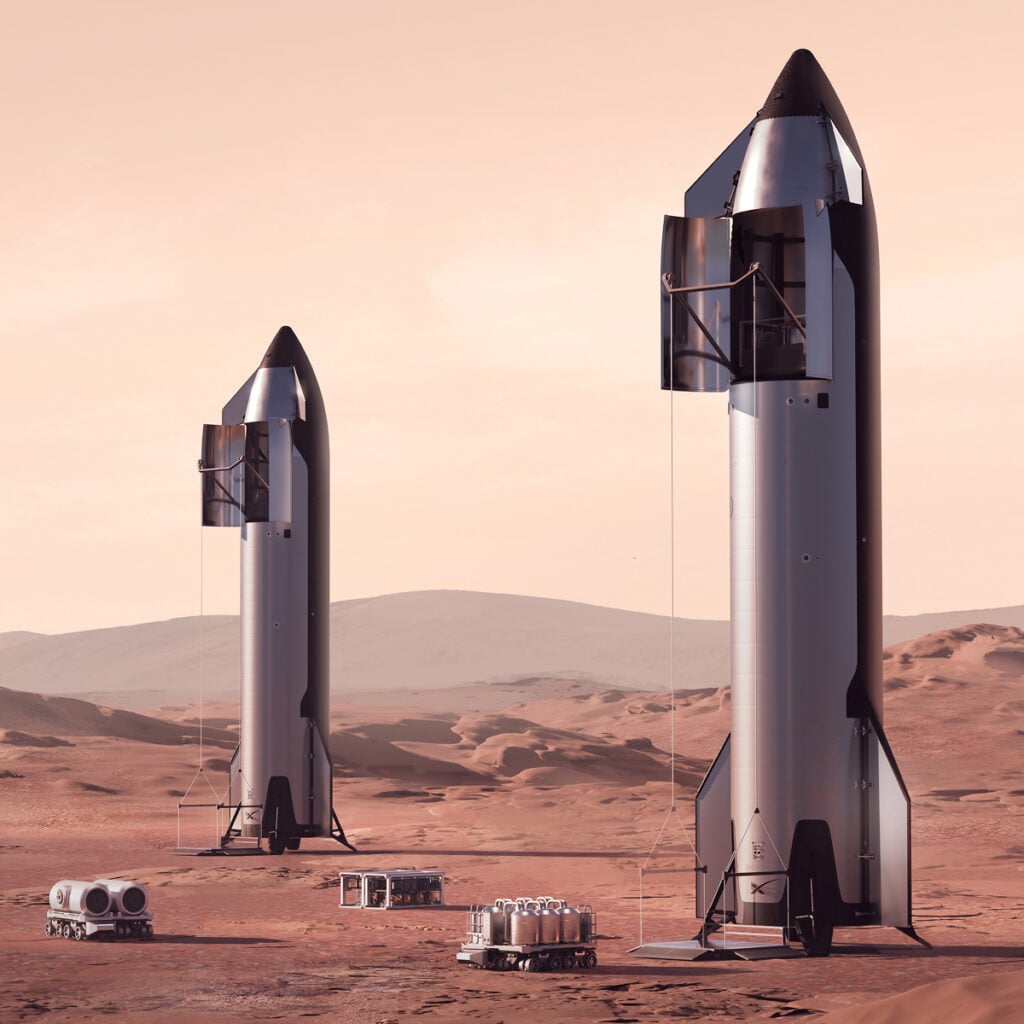
Another exciting development is the work on deep space mission vehicles designed for larger cargo loads and longer distances. These spacecraft are being built to support travel to the Moon, Mars and beyond. Their scale and capabilities make them different from any modern spacecraft.
Even though these missions are still progressing step by step, the idea of sending humans farther into the solar system feels more realistic than it did years ago. The focus is on building tools that can carry supplies, scientific equipment and passengers safely.
This technology also supports space infrastructure projects, including refueling systems, satellite deployment and future exploration platforms.

Helping the World Stay Connected
Reliable communication is essential for both personal life and global services. Many industries depend on low latency satellite networks to operate smoothly. Emergency responders, shipping companies, aviation services and remote scientific teams use satellite connections when traditional networks fail or cannot reach certain areas.
By expanding coverage worldwide, Starlink helps close the digital divide. More communities gain access to information, education tools, telehealth services and remote work opportunities. This kind of connectivity strengthens local economies and improves quality of life.
Here is the second required link on the brand name: SpaceX.
A Future That Feels Closer Than Ever
Space travel and global connectivity once felt like ideas reserved for science fiction. Today, they are part of real progress happening in front of us. Each successful launch, satellite upgrade and new spacecraft design brings us closer to a future where high speed internet and accessible space travel are normal parts of life.
If you are curious about the direction of technology, watching the evolution of satellite networks and space systems offers a glimpse into what the next decade may look like.