



Google Marketing Platform brings together analytics, advertising, and measurement tools into a single environment designed for enterprise teams. Its purpose is to help organisations manage complex digital marketing efforts with greater clarity and consistency. By centralising data and workflows, it reduces fragmentation and supports more informed decision-making across channels. The platform is built to support scale without losing control, making it easier for large teams to measure performance and act on insight.
TL;DR
Google Marketing Platform provides enterprise teams with integrated tools for analytics, advertising, and governance, helping organisations measure performance, align campaigns, and optimise marketing activity through a unified system.
A Unified Approach to Enterprise Marketing


Enterprise marketing often involves multiple teams, platforms, and data sources operating at the same time. When tools are disconnected, gaining a clear view of performance becomes difficult and time-consuming. The platform addresses this challenge by bringing key marketing capabilities into one coordinated system. Analytics, advertising tools, and tag management operate within a shared framework, allowing data to flow more smoothly between functions.
This unified structure helps teams move away from siloed reporting. Instead of analysing results in isolation, marketers can see how different touchpoints contribute to broader outcomes. Audience behaviour, campaign performance, and conversion paths can be examined together, creating a more accurate understanding of what drives results. This clarity supports stronger alignment between strategy, execution, and measurement.
The platform also adapts to different organisational needs. Enterprise teams can configure reporting views, permissions, and workflows to reflect how they operate internally. This flexibility allows global teams, regional teams, and specialised departments to work within the same system while focusing on what matters most to them. As a result, the technology supports collaboration rather than forcing uniformity.
Tools Designed to Turn Data Into Insight


- Analytics and advertising tools operate within a shared environment to support consistent measurement.
- Integrated tag management enables controlled data collection across websites and applications.
- Reporting features help teams interpret large volumes of data without manual consolidation.
- Cross-channel visibility supports a clearer view of how audiences interact before conversion.
- Governance controls help maintain accuracy and consistency as operations scale.
Measurement That Supports Smarter Decisions

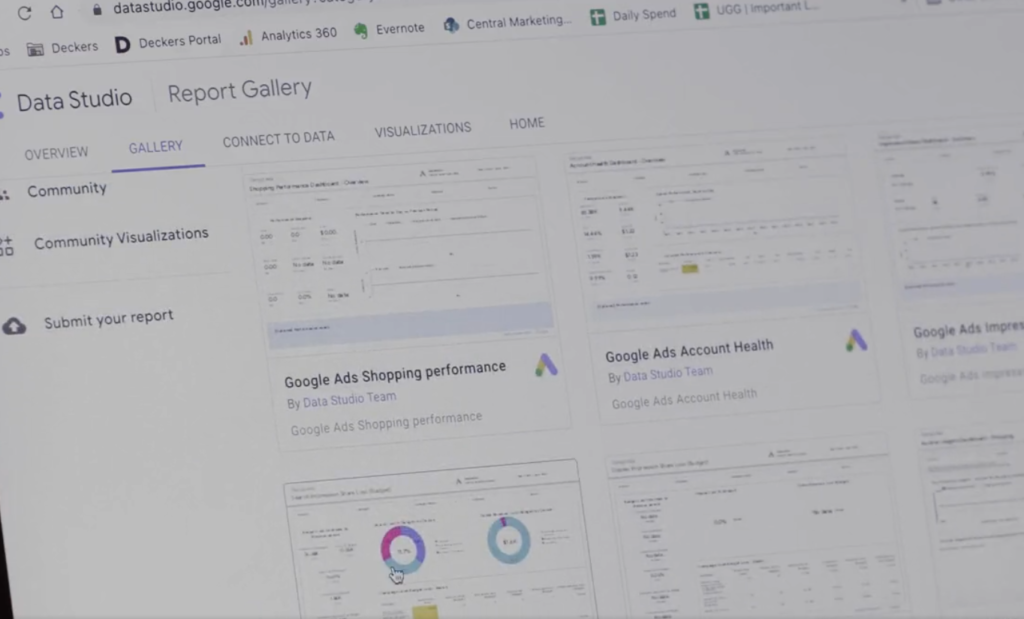
Measurement sits at the centre of effective enterprise marketing, and the platform is designed to make it more actionable. By consolidating data from multiple sources, it reduces gaps that often occur when analytics and advertising systems are separated. Google Marketing Platform creates a more reliable foundation for understanding performance across channels and devices.
Analytics capabilities allow teams to examine user behaviour in depth, segment audiences, and identify trends that influence outcomes. These insights can then be applied directly to campaign planning and optimisation. Rather than treating reporting as a retrospective exercise, measurement becomes part of an ongoing feedback loop. This helps teams respond more quickly to changes and refine their approach based on evidence rather than assumptions.
Optimisation is strengthened when performance data is directly connected to campaign execution. Teams can evaluate which messages, placements, or formats perform best and adjust accordingly. Experimentation becomes more manageable when results can be compared within the same system. Over time, this supports continuous improvement rather than one-off performance reviews.
Supporting Collaboration and Governance at Scale


Large organisations require systems that support both collaboration and control. With multiple stakeholders involved, consistency in measurement and access to shared insights are essential. Google Marketing Platform supports this by offering centralised reporting and shared dashboards that different teams can access based on their roles. This reduces discrepancies in interpretation and helps align decision-making.
Permissions and governance features allow organisations to define how data is collected and used. This is particularly important when operating across regions or regulatory environments. By enforcing consistent tagging and measurement practices, teams can maintain data integrity without relying on manual checks. This structure helps balance flexibility with accountability.
Collaboration improves when teams are working from the same information. Analysts, strategists, and campaign managers can reference shared data while focusing on their specific responsibilities. This reduces friction between teams and shortens the time between insight and action. The platform becomes a common reference point rather than another tool in an already crowded stack.
Why Enterprise Teams Rely on It

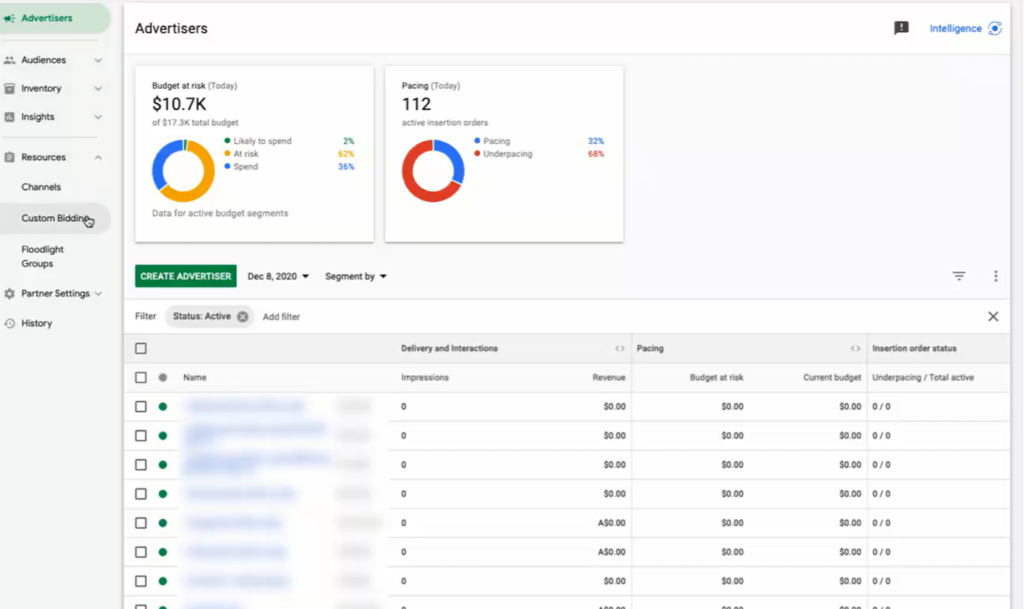
Enterprise organisations use the platform because it helps them manage complexity without losing visibility. By bringing critical tools together, it simplifies workflows that would otherwise require constant reconciliation. Teams gain a clearer understanding of performance and a more consistent way to evaluate success.
The ability to configure the system to match organisational structure is another reason it remains relevant. Different markets, regions, and business units can operate within the same framework while maintaining autonomy where needed. This flexibility supports growth without forcing constant changes to underlying systems.
Ultimately, the platform supports a more disciplined approach to marketing. Measurement, optimisation, and governance work together rather than competing for attention. By centralising insight and execution, it helps enterprises move from fragmented activity toward coordinated strategy. The result is a marketing environment that supports informed decisions, consistent performance evaluation, and scalable growth across digital channels.